Regulatory Evolutions Driving Live Dealer Adjustments and Payment Protections Across Mobile Table Game Platforms
Ulrich Schmidt · Aug 19, 2026
Regulatory Evolutions Driving Live Dealer Adjustments and Payment Protections Across Mobile Table Game Platforms
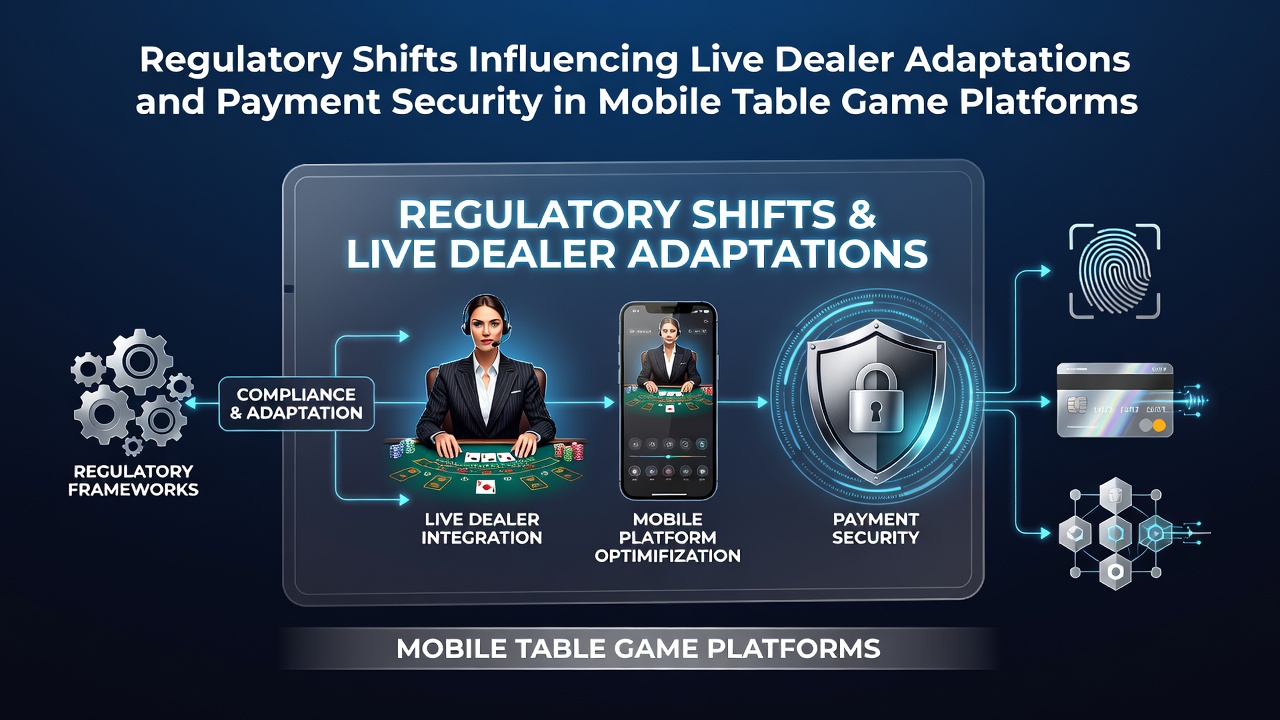
Regulatory bodies worldwide continue to update frameworks that directly affect how live dealer operations function on mobile devices, particularly in table game environments where real-time interaction meets digital transaction layers, and these updates often require platforms to integrate new compliance tools without disrupting user flow.
Current Regulatory Landscape in Key Markets
Observers note that changes emerging from multiple jurisdictions have pushed operators toward enhanced authentication layers and adaptive streaming protocols since early 2025, while data from the New Jersey Division of Gaming Enforcement shows increased scrutiny on cross-border data flows that support live dealer feeds. These shifts encourage platforms to adopt geo-fencing refinements alongside biometric verification methods that align with evolving standards for player location and identity confirmation.
Yet the pace of adaptation varies by region, and companies managing mobile table game suites must balance real-time dealer synchronization with stricter rules on session monitoring that prevent unauthorized access during gameplay. Research from academic institutions tracking gambling technology indicates that platforms incorporating modular API structures respond faster to these mandates because they allow isolated updates to security modules without halting live streams.
Live Dealer Adaptations Under New Compliance Rules
Live dealer environments on mobile platforms face specific pressures from rules that emphasize responsible gaming integration and transparent game mechanics, so developers now embed automated risk detection that pauses sessions when patterns suggest excessive play. According to industry reports, such features became standard in several European and North American markets by mid-2025, forcing operators to redesign dealer interfaces to accommodate on-screen prompts without breaking immersion.
Platforms have also adjusted camera angles and multi-angle switching capabilities to meet accessibility guidelines that regulators introduced recently, and these modifications support inclusive design while maintaining the visual quality expected in table games like blackjack and roulette. Experts tracking technological responses highlight cases where operators deployed AI-assisted dealer support tools that flag potential rule violations in real time, thereby reducing manual oversight costs while satisfying audit requirements.
Payment Security Enhancements in Mobile Ecosystems
Payment flows tied to mobile table game accounts now operate under tighter encryption standards and tokenization requirements that regulators rolled out to counter rising fraud attempts targeting live sessions. Data compiled by the Australian Institute of Criminology reveals that platforms implementing end-to-end encryption for transaction confirmations experienced measurable drops in disputed charges during the first half of 2026.
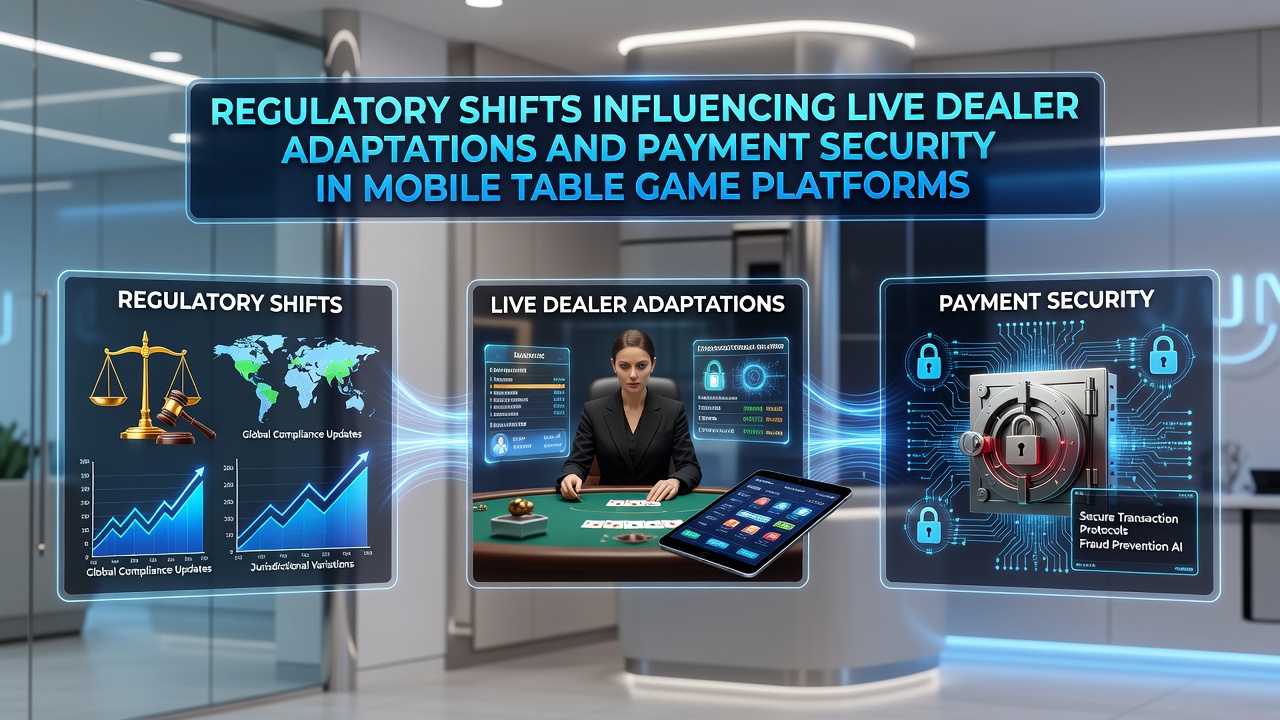
Operators integrate these protocols by routing payments through isolated micro-services that separate financial data from game state information, and this separation helps satisfy rules demanding clear audit trails for every deposit or withdrawal. Those who've studied platform architectures note that such compartmentalization also speeds up recovery when one component faces regulatory review.
Additional measures include dynamic CVV generation for card transactions and expanded support for regulated digital wallets, both of which emerged as responses to directives aimed at reducing chargeback rates in live gaming environments. Figures from regulatory filings indicate that mobile platforms adopting these wallet integrations saw higher compliance scores during routine inspections conducted through August 2026.
Regional Variations and Implementation Timelines
Differences across markets create layered challenges for global operators, since rules in one jurisdiction may demand features that conflict with requirements elsewhere, and teams therefore maintain parallel compliance branches within the same mobile application. Studies from university research groups focused on digital gambling show that staggered rollout schedules help platforms test adaptations in smaller markets before wider deployment.
Canadian provinces, for instance, introduced updated standards for real-money mobile table games that emphasize transaction logging at the device level, while certain Asian markets prioritize server-side controls that keep all sensitive operations off user hardware. These contrasts force developers to build flexible codebases that accommodate both approaches without compromising live dealer latency.
Conclusion
Regulatory shifts continue to influence how live dealer features and payment systems evolve on mobile table game platforms, with operators responding through technical upgrades that preserve gameplay quality while meeting new compliance benchmarks. As frameworks mature through 2026 and beyond, the integration of adaptive tools and layered security measures remains central to sustained platform operation across diverse regulatory environments.