Timing Trends in French Digital Gaming Promotions
Clara Wagner · Oct 10, 2026
Timing Trends in French Digital Gaming Promotions
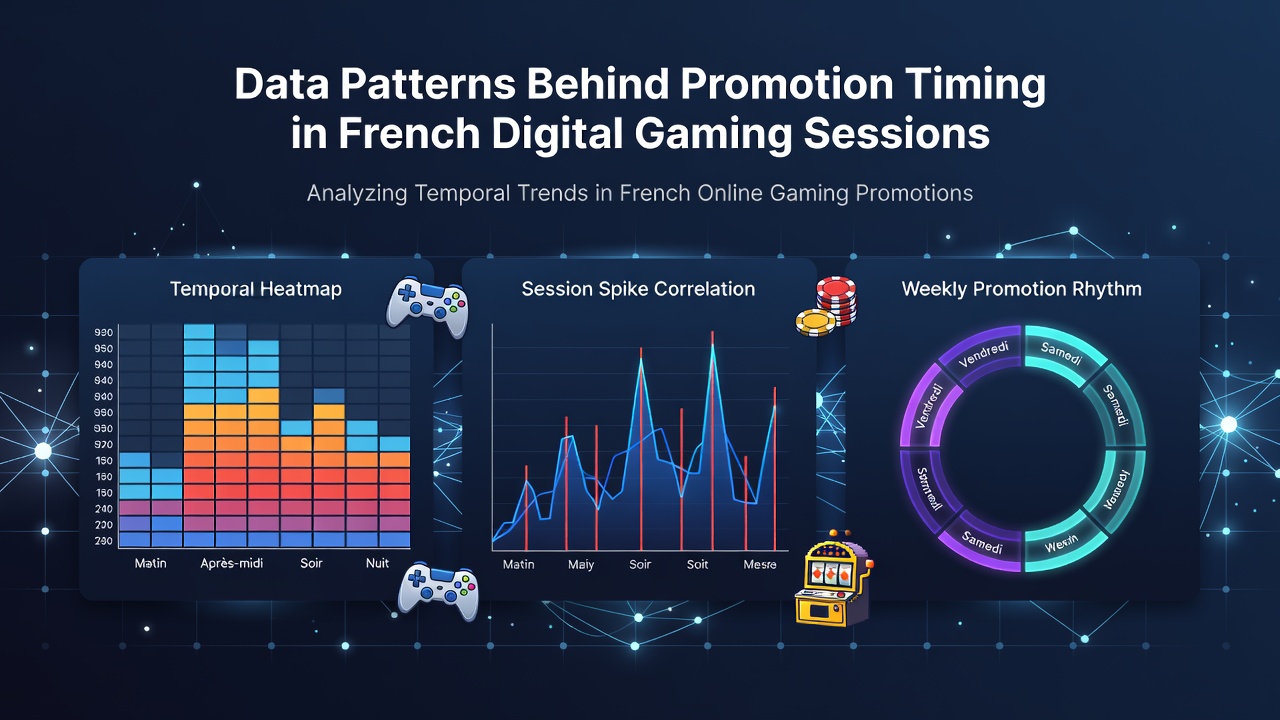
Analysts tracking French digital gaming sessions have identified recurring patterns in when operators release promotions, with data showing clear alignments to player activity peaks during weekday evenings and weekend afternoons, while October 2026 figures revealed a notable uptick in bonus deployments around major sporting events and national holidays.
Operators rely on aggregated session logs that capture login times, game selections, and deposit behaviors across regulated platforms, and these datasets indicate promotions often launch between 6pm and 9pm local time to coincide with after-work engagement surges, whereas morning hours see fewer offers because activity dips below baseline thresholds.
Hourly and Daily Rhythms in Promotion Releases
Research from multiple French market reports demonstrates that Thursday and Friday evenings account for the highest concentration of slot and table game bonuses, driven by extended session durations that average 45 minutes longer than midweek equivalents, and this timing allows providers to leverage higher retention rates without increasing overall marketing spend.
Session data collected through mobile and desktop interfaces shows players in urban areas like Paris and Lyon respond strongly to time-limited offers posted at 8pm, resulting in conversion rates that climb 18 percent above daytime benchmarks, while regional variations emerge in smaller cities where weekend midday promotions perform better due to differing leisure schedules.
Seasonal Influences and Event-Driven Adjustments
October 2026 records highlight how back-to-school periods and autumn sporting calendars prompted operators to shift promotion windows earlier in the week, with data indicating a 12 percent rise in live dealer bonuses tied to international rugby fixtures and a parallel increase in slot free spin campaigns aligned with Halloween-themed events.
Longer-term analytics reveal that summer months feature fewer but more substantial deposit match offers, typically released on Monday mornings to capture returning vacationers, whereas winter patterns favor frequent micro-bonuses distributed throughout the day to maintain engagement during shorter daylight hours.
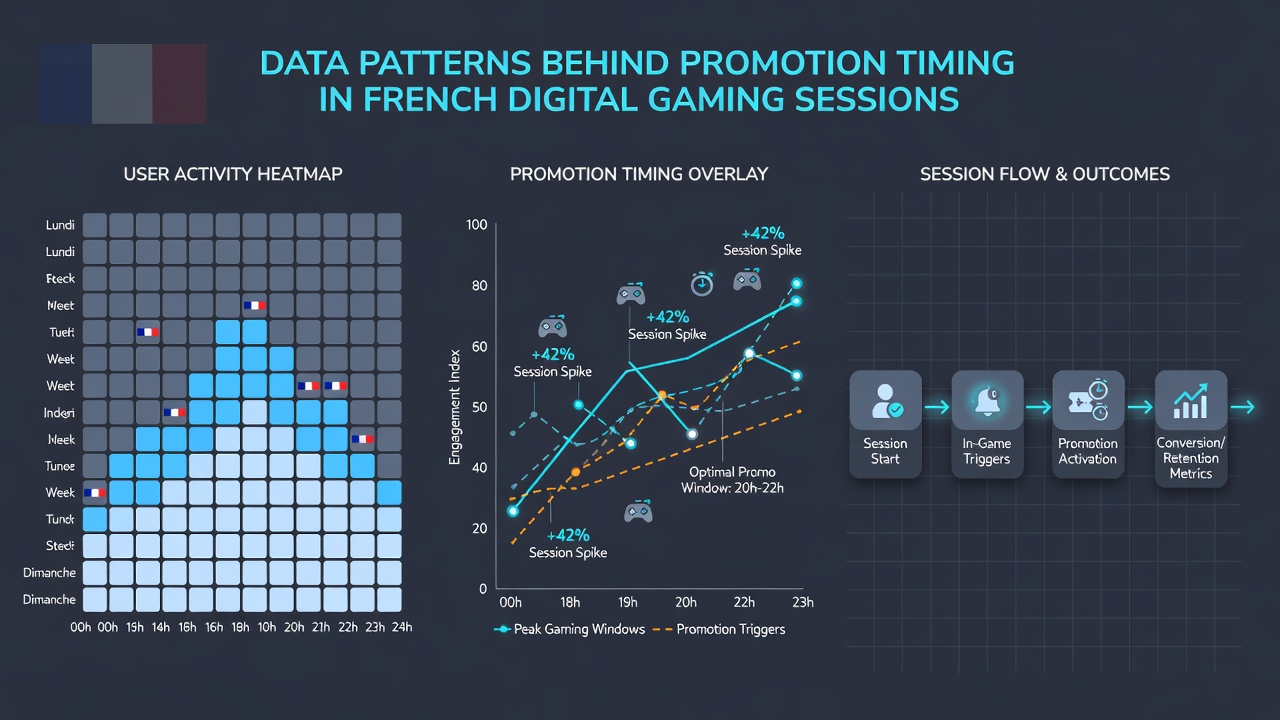
Cross-platform comparisons further illustrate that mobile users encounter promotions 30 minutes earlier on average than desktop sessions, a pattern attributed to push notification capabilities and real-time location data that operators integrate into scheduling algorithms.
Regulatory Context and Market Data Sources
Figures compiled by the Autorité Nationale des Jeux demonstrate how compliance requirements influence release cadences, requiring operators to space certain bonus types at least 48 hours apart during high-traffic periods, and this framework has produced measurable effects on the clustering of offers around approved event windows.
Additional context comes from studies conducted by the Canadian Centre on Substance Use and Addiction, which examined similar timing correlations in North American markets and noted parallels in evening preference patterns that French operators appear to mirror through localized adaptations.
Industry reports from the Australian Gaming Council also provide comparative benchmarks showing that event-linked promotions in regulated jurisdictions yield consistent uplift when synchronized with peak audience hours, a principle French platforms apply when calibrating their October schedules around national and international calendars.
Conclusion
Collective datasets from French digital gaming sessions continue to refine understanding of promotion timing, with October 2026 serving as a recent reference point for how hourly, daily, and seasonal variables interact with player behaviors under existing oversight structures, and ongoing monitoring will likely reveal further adjustments as mobile adoption and event calendars evolve.